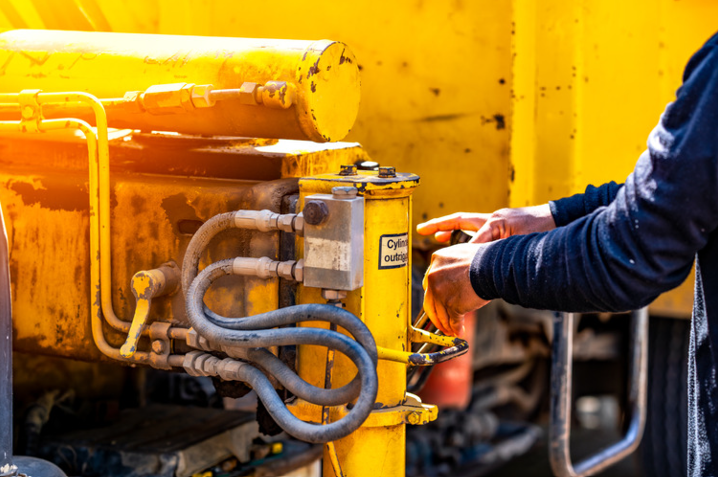
Essential Tips For Maintaining Your Hydraulic Power Pack
A hydraulic power pack is the driving force behind hydraulic systems, supplying the energy needed to operate machinery and equipment across industries. Often referred to as the “heart” of a hydraulic system, its performance directly impacts the efficiency and reliability of the entire system. Regular maintenance by maintenance technicians of your hydraulic power pack is essential to ensure optimal performance, prevent downtime, and extend the system’s lifespan.
This guide outlines the importance of hydraulic power pack maintenance, key components to focus on, specific maintenance instructions and actionable tips to keep your system running smoothly.
Why Is Hydraulic Power Pack Maintenance Important?
Prolongs Equipment Lifespan
Regular maintenance helps to identify and address minor issues before they escalate into major problems. This proactive approach, as opposed to reactive maintenance, reduces wear and tear on components, ensuring that your hydraulic power pack lasts longer and operates efficiently throughout its service life.
Enhances System Efficiency
A well-maintained hydraulic power pack delivers consistent power with minimal energy loss. Clean filters, properly functioning pumps, and appropriate fluid levels all contribute to maintaining optimal efficiency, which translates into cost savings and improved system performance.
Prevents Costly Breakdowns
Neglecting maintenance can lead to unexpected failures, causing costly repairs and extended downtime. Routine inspections and servicing help catch potential issues early, reducing the risk of sudden breakdowns that can disrupt operations.
Improves Safety
Malfunctions in hydraulic power packs can lead to hazardous situations, such as high-pressure fluid leaks or overheating. Proper maintenance ensures that safety features, such as pressure regulators and cooling systems, function correctly, protecting operators and equipment.
Key Components of a Hydraulic Power Pack to Maintain
Hydraulic Pump
The pump is the core component that converts mechanical energy into hydraulic energy. Regularly inspect for signs of wear, unusual noises, or vibrations, and ensure proper lubrication to prevent overheating and damage.
Reservoir and Fluid Levels
The reservoir stores hydraulic fluid, which is essential for system operation. Monitor fluid levels daily and top off as needed. Check for contamination, discolouration, or a burnt smell, which can indicate degraded fluid requiring replacement.
Filters and Strainers
Filters and strainers keep contaminants out of the hydraulic system. Replace or clean them as part of your maintenance routine to prevent clogs, maintain fluid cleanliness, and protect sensitive components from damage.
Hoses and Connections
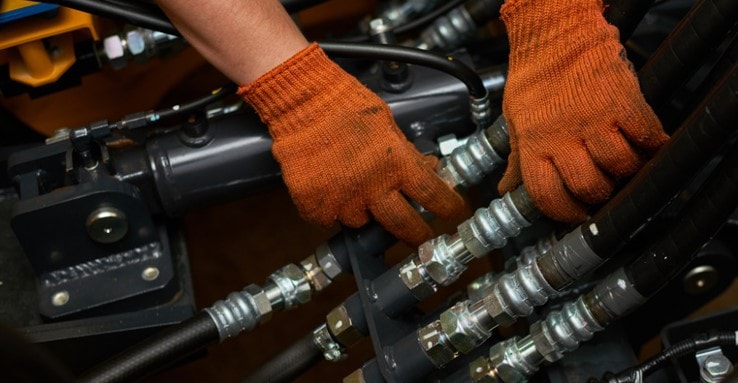
Inspect hoses and connections for cracks, leaks, or wear. Securely tighten fittings and replace damaged hoses promptly to prevent leaks and maintain system integrity.
Valves and Pressure Regulators
Valves control fluid flow, while pressure regulators ensure the system operates within safe pressure limits. Regularly test these components for proper function and adjust settings as needed to maintain system performance.
Cooling Systems
System temperature is key to effective operation. Cooling systems prevent the hydraulic power pack from overheating. Check for blockages, clean cooling elements, and ensure proper airflow around the unit to avoid overheating and ensure consistent operation.
Hydraulic Power Pack Maintenance Checklist
If you determine actual schedules for hydraulic system maintenance in a maintenance and service book you and your team will have clear guidelines as to what needs checking and when.
Daily Checks
- Inspect fluid levels and top off as needed.
- Check for visible leaks around hydraulic hoses, connections, and the reservoir.
- Listen for unusual noises from the pump or motor.
Weekly Checks
- Clean external surfaces to remove dust and debris.
- Inspect hoses, pipe connections, fittings, and valves for wear or leaks.
- Ensure pressure gauge readings are within the recommended range.
Monthly Checks
- Replace or clean filters and strainers.
- Test cooling systems and ensure adequate airflow.
- Inspect electrical connections and tighten loose terminals.
Annual Checks
- Perform a full fluid flush and replace hydraulic fluid.
- Conduct a detailed inspection of the pump, valves, and pressure regulators.
- Calibrate gauges and pressure settings to maintain accuracy.
Tips for Effective Hydraulic Power Pack Maintenance
Following these hydraulic system maintenance tips together with following schedules as previously mentioned will help to keep all your hydraulic components and your entire hydraulic system running smoothly and efficiently.
Use the Right Hydraulic Fluid
When refilling hydraulic fluid always choose a fluid compatible with your system’s specifications. Using the wrong type can lead to reduced efficiency, damage to components, and potential system failure.
Maintain a Clean Environment
Keep the power pack and surrounding area clean to prevent contaminants from entering the system. This reduces the risk of blockages, premature wear and contamination of hydraulic oil; the most common cause of hydraulic system failure.
Train Operators on Best Practices
Educate operators on basic maintenance tasks, such as checking fluid levels and identifying leaks. Proper training ensures early detection of issues and minimizes the risk of operator error.
Keep a Maintenance Log
Document all maintenance activities, including inspections, fluid changes, and repairs. A comprehensive log helps track component lifespans, identify recurring issues, and plan future maintenance schedules. It also helps to ensure hydraulic maintenance is being carried out at timely intervals.
Common Maintenance Mistakes to Avoid
Ignoring Small Leaks
Small leaks can quickly escalate into major problems, leading to fluid loss, air bubbles, reduced system efficiency, and safety hazards. Address leaks promptly to avoid costly repairs.
Using Incorrect Fluid Types
Incompatible hydraulic fluids can cause contamination, reduced performance, and excessive wear and damage to seals and other components. Always refer to the manufacturer’s recommendations for the correct fluid.
Neglecting Scheduled Maintenance
Skipping routine maintenance can lead to equipment breakdowns and expensive repairs. Stick to the recommended maintenance schedule to keep your system running smoothly.
When to Call a Professional
While some maintenance tasks can be handled in-house, certain issues require professional expertise. Call a hydraulic specialist or service engineer if you encounter:
- Persistent leaks that cannot be fixed.
- Abnormal noises or vibrations from the pump.
- Significant pressure fluctuations or system inefficiencies.
A professional can perform maintenance and conduct advanced diagnostics and repairs, ensuring your system is restored to optimal condition.
Conclusion
A consistent hydraulic power pack maintenance routine is essential for ensuring the reliability, efficiency, and safety of your hydraulic system. By following the outlined maintenance checklist and implementing best practices, you can extend the life of your power pack, reduce downtime, and protect your investment.
Don’t underestimate the importance of proper maintenance—regular care will save you time, money, and effort in the long run.