A single measurement error in pneumatic systems can lead to catastrophic leaks, equipment damage, and costly downtime. When a maintenance technician recently forced a 1/4” NPT male fitting into a BSPP female port, the thread angle mismatch caused immediate damage to the manifold and required expensive repairs. This scenario illustrates why knowing how to measure pneumatic fittings accurately is essential for safe, leak-free operation.
Measuring pneumatic fittings involves more than simply determining one dimension. You must identify the correct combination of tube size, thread size and type, thread pitch, and sealing method to ensure perfect interchangeability. Whether you’re working with British Standard Pipe fittings from European machinery or NPT threads on North American equipment, systematic measurement prevents compatibility issues that could compromise your entire pneumatic system.
This comprehensive guide will walk you through the essential tools, step-by-step measurement process, and verification techniques needed to achieve accurate fitting identification every time.
Essential Tools and Preparation
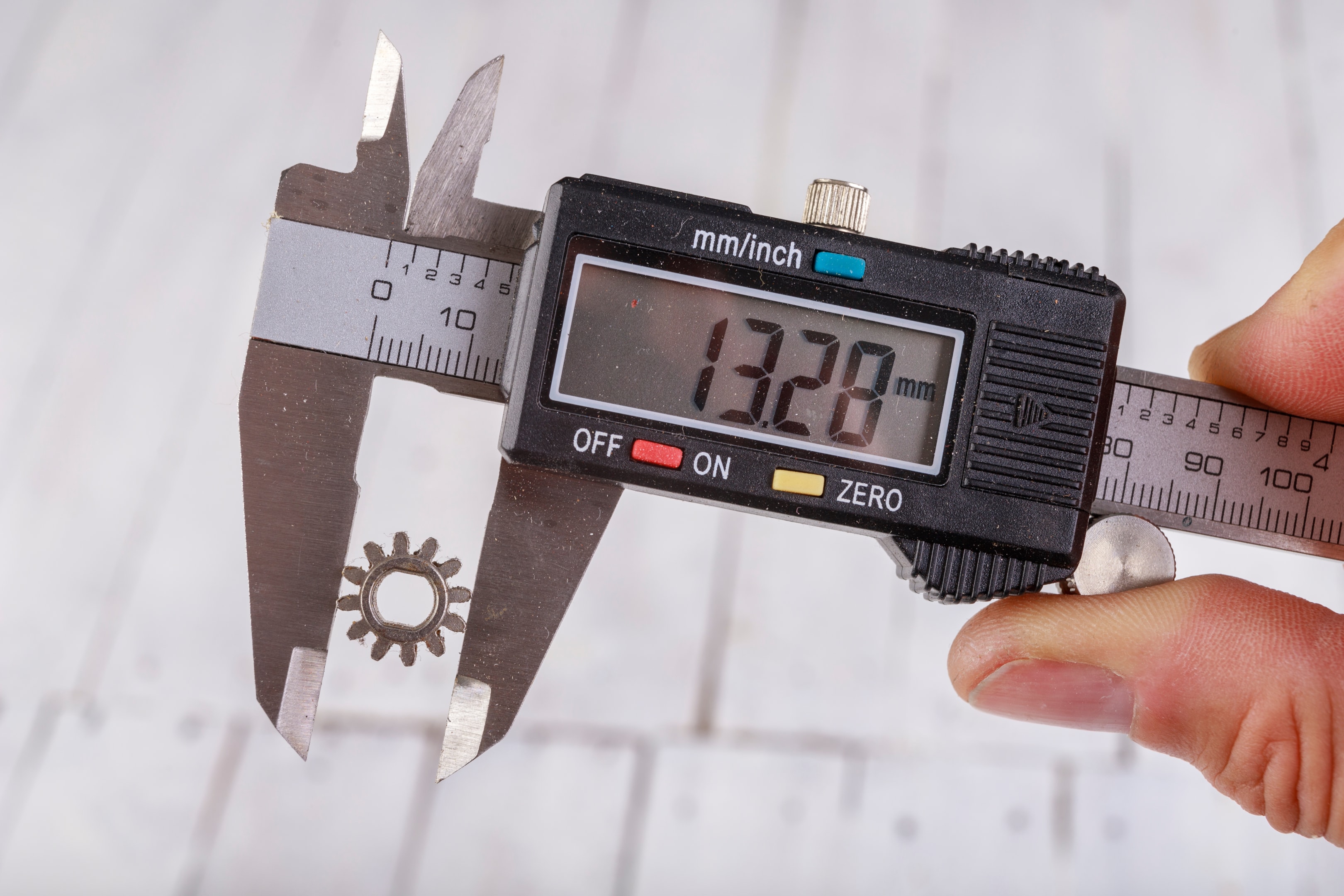
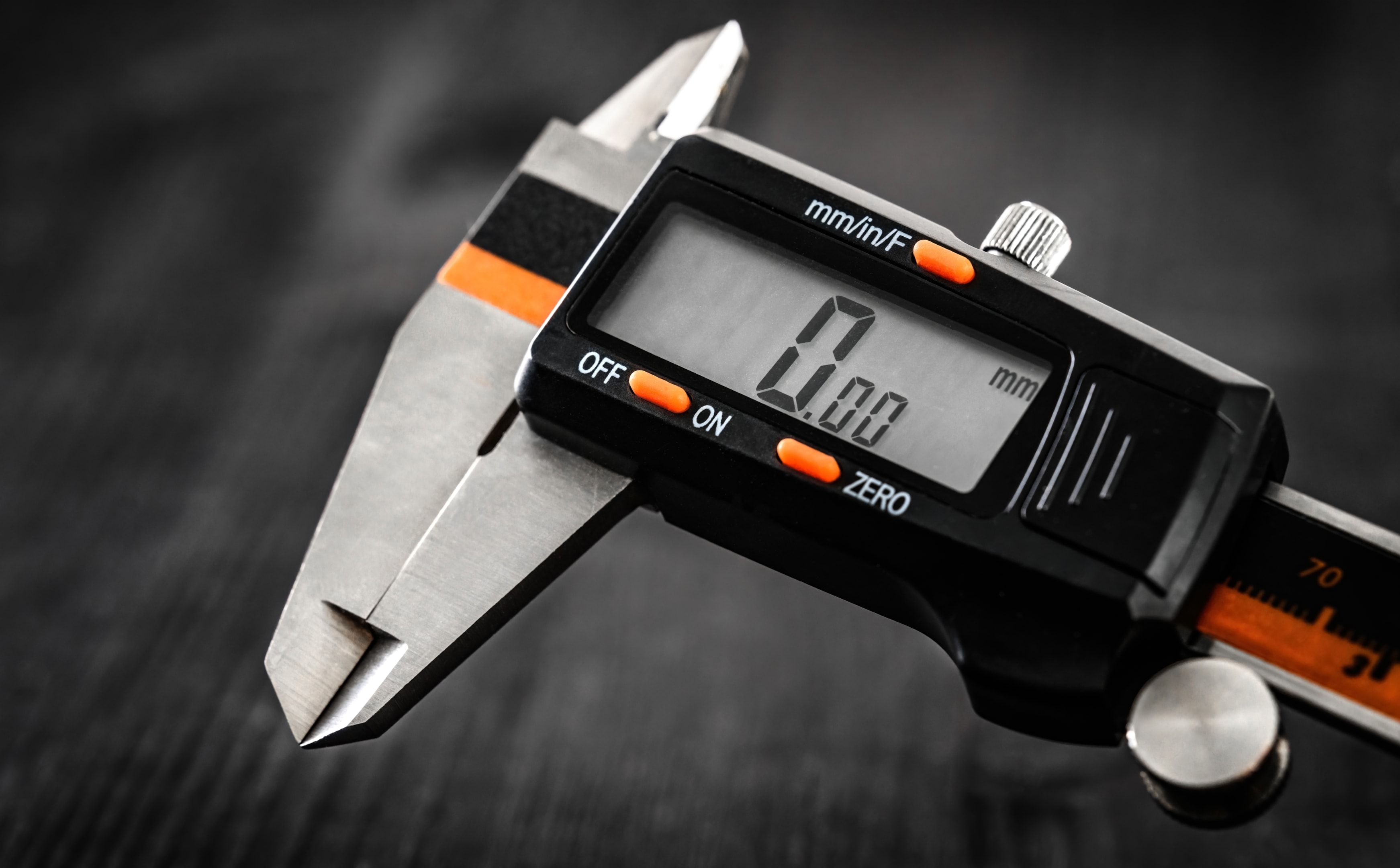
Accurate measurement starts with having the right tools readily available. Digital callipers serve as your primary measurement instrument, providing precise readings for both outer diameter and inner diameter measurements. A thread pitch gauge is equally important for identifying the distance between thread crests, while a thread angle gauge helps distinguish between 55° BSP and 60° NPT thread forms.
Your basic tool kit should include:
- Digital callipers with metric and imperial readouts
- Thread pitch gauge with multiple pitch blades
- Steel ruler for overall length measurements
- Thread angle gauge for identifying thread standards
- Clean shop rags and degreasing solvent
Safety considerations become paramount when working with pressurised systems. Always depressurise pneumatic lines completely before attempting to measure or remove any fittings. Residual pressure can cause sudden fitting ejection, potentially causing serious injury. Verify zero pressure using appropriate gauges before beginning any measurement work.
Clean all fittings thoroughly before measurement to ensure accuracy. Thread sealant, oil residue, and debris can significantly affect calliper readings, leading to incorrect size identification. Use a suitable degreasing agent and allow fittings to dry completely. Pay special attention to thread crests where debris commonly accumulates.
Keep manufacturer specifications and fitting reference charts accessible during measurement. These charts map measured dimensions to standard thread sizes and help verify your measurements against established standards. Having cross-reference tables for different thread systems prevents confusion between similar but incompatible fittings.
Step-by-Step Measurement Process
A systematic approach to measuring pneumatic fittings eliminates errors and ensures consistent results. The complete measurement workflow follows a specific sequence: first, identify thread gender, then determine thread type, measure diameter, calculate thread pitch, and finally cross-reference all measurements against standard charts.
The importance of following this systematic approach cannot be overstated. Skipping steps or measuring parameters out of sequence often leads to misidentification, especially when dealing with fittings that have similar dimensions but different standards. For example, 1/4” NPT and 1/4” BSPP fittings have nearly identical outer diameter measurements but feature different thread pitches and angles.
Document each measurement immediately as you take it. Create a simple log that records thread gender, type determination, diameter readings, pitch measurements, and final identification. This documentation proves invaluable for future maintenance and helps establish patterns in your facility’s fitting types.
Order your measurements systematically: begin with visual gender identification, proceed to parallel versus tapered thread determination, measure critical diameters, determine pitch characteristics, and conclude with TPI calculations. This sequence builds upon previous findings and reduces the likelihood of measurement conflicts.
Identifying Thread Type and Gender
Distinguishing between male thread (external) and female thread (internal) fittings is fundamental for accurate measurement. Male threads extend outward and engage inside female ports, while female threads are recessed and accept male connectors. This difference affects how you measure diameter and which techniques to use. Visual inspection helps determine if threads are parallel, maintaining a constant diameter, or tapered, gradually decreasing in diameter. Measuring the outer diameter at two points along the thread length reveals taper if there is a difference greater than 0.1mm. Tapered threads include NPT and BSPT female threads, while parallel threads include BSPP male threads and British Standard Parallel Pipe connections that seal with gaskets or O-rings.
Thread angle identification is also essential, with BSP fittings featuring 55° thread angles and NPT fittings featuring 60°. A thread angle gauge offers reliable verification, though experienced technicians may distinguish angles by visual inspection or feel during test fittings. Understanding these distinctions ensures proper measurement and compatibility, preventing damage and leaks in pneumatic systems.
Measuring Thread Diameter
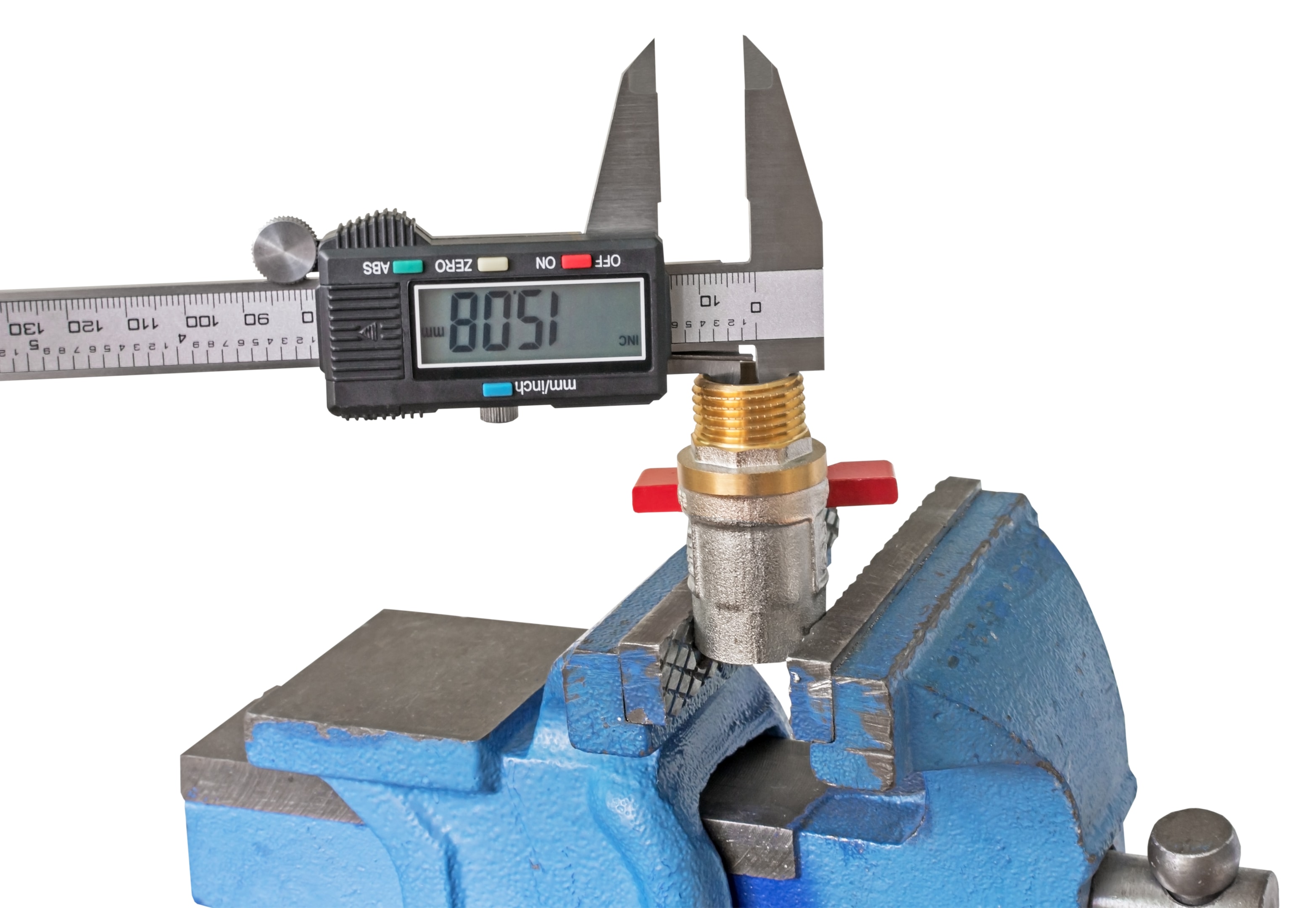
For male fittings, position digital callipers at the largest thread point to measure the outer diameter accurately. This typically occurs at the base of the threads closest to the fitting body, where thread engagement begins. Ensure calliper jaws contact the thread crests perpendicular to the thread axis for consistent readings.
Female fittings require measuring the inner diameter using appropriate calliper techniques. Insert the calliper jaws into the threaded port and expand them gently until they contact the thread peaks at the port mouth. Avoid excessive force that could damage thread forms or provide inaccurate readings due to calliper deflection.
Proper calliper positioning ensures accurate thread diameter readings across different fitting types. Hold the fitting securely while keeping the calliper jaws aligned with the thread axis. Take multiple measurements at different orientations around the circumference to identify any out-of-round conditions that might affect fitting performance.
Convert measurements between metric and imperial units when necessary to match available fitting charts. Most pneumatic components use metric dimensions internationally, while North American equipment often specifies imperial measurements. Digital callipers with dual readouts simplify this conversion process and reduce calculation errors.
Determining Thread Pitch
Thread pitch represents the distance between adjacent thread crests measured along the thread axis and determines how threads engage and seal. The quickest way to identify thread pitch is to use a thread pitch gauge, which has multiple blades machined to specific pitches. By testing different blades against the fitting threads, you find the perfect match where the blade seats fully without gaps. Alternatively, you can measure the distance across multiple threads with callipers and divide by the number of thread intervals, though this requires careful technique.
Common thread pitches for pneumatic fittings include 1mm and 1.5mm for metric threads and various fractional pitches for imperial systems. Understanding these standard pitches helps verify measurements and identify errors before selecting the correct fitting. Accurate pitch measurement is essential for ensuring proper thread engagement and reliable sealing in pneumatic systems.
Calculating Threads Per Inch (TPI)
Threads per inch (TPI) is a key measurement used in imperial thread systems. To calculate TPI, count the number of thread crests over a ¼ inch section and multiply by 4, or alternatively count over ½ inch and multiply by 2, depending on which method is easier for your fitting. This measurement helps confirm compatibility and distinguish between similar thread standards—for example, 1/4” NPT has 18 TPI, while 1/4” BSPP has 19 TPI, a difference that significantly impacts sealing performance.
Always cross-reference your TPI measurements with standard fitting specifications using manufacturer charts to ensure accuracy. These charts provide detailed thread sizes and associated specifications, helping you identify the correct replacement fittings and avoid costly errors in pneumatic system maintenance.
Understanding Different Fitting Types
Regional preferences and industry standards create distinct fitting families with specific applications and compatibility requirements. BSP fittings dominate European and Asian markets, while NPT threads remain standard throughout North America. Understanding these regional differences helps predict likely thread standards based on equipment origin.
Application-specific usage patterns also influence fitting selection. Marine applications commonly use stainless steel BSP fittings for corrosion resistance, while pneumatic tools often feature brass NPT connections for durability. Industrial equipment varies widely depending on the manufacturer’s origin and system requirements.
Compatibility considerations between different fitting standards become critical during system modifications or equipment replacement. British Standard Pipe threads and NPT fittings may appear similar but feature different angles, pitches, and sealing mechanisms. Never attempt to force mismatched standards together, as this practice leads to leaks and component damage.
Sealing mechanisms vary significantly between fitting types and impact measurement requirements. BSPT fittings create seals through thread deformation and thread sealant, while BSPP connections rely on flat gasket seals or O-ring compression. Understanding these sealing differences helps identify the correct fitting style during measurement.
British Standard Pipe (BSP) Fittings
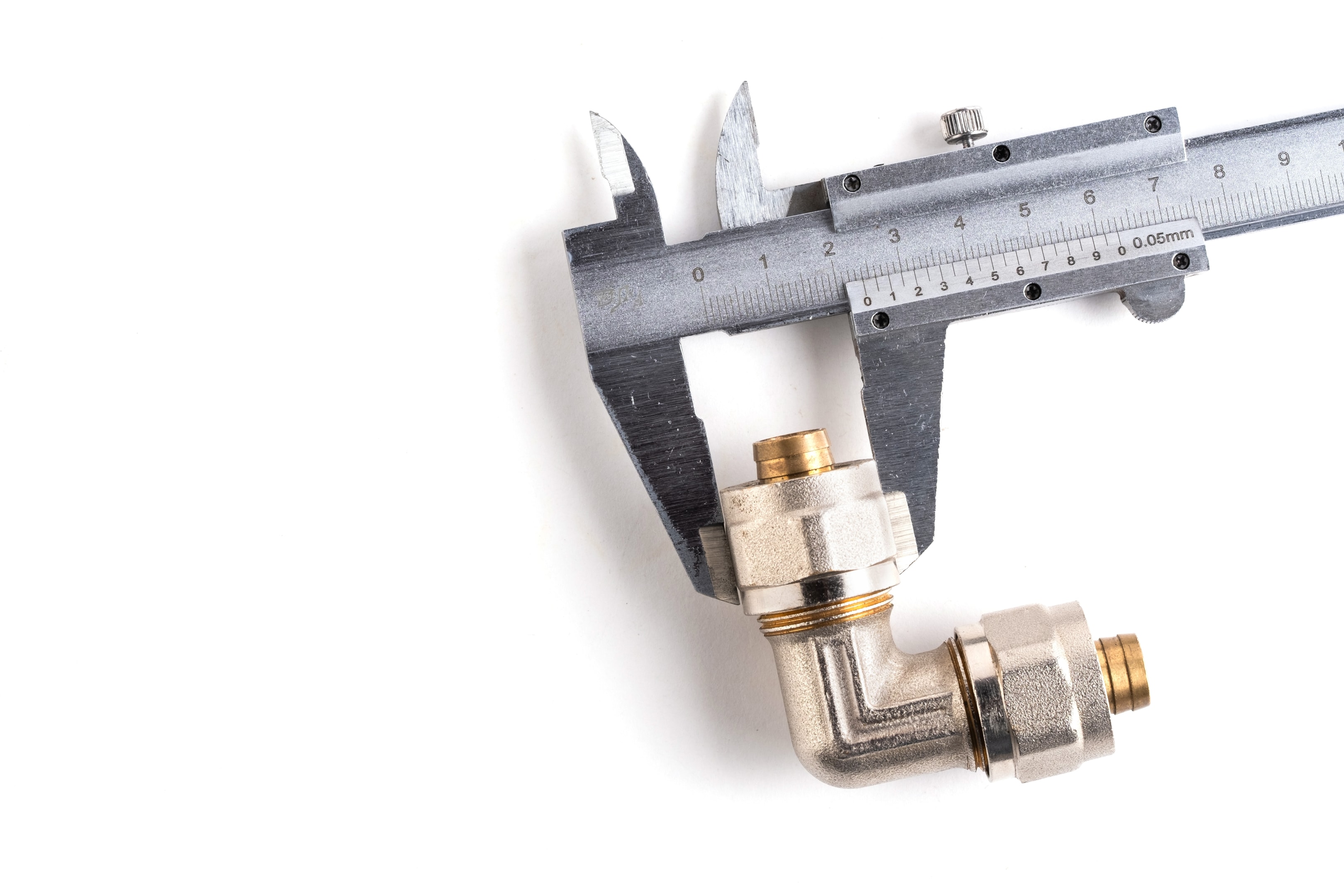
BSPP fittings feature parallel threads with a constant diameter along their length. To measure these fittings, determine the outer diameter (OD) and calculate the approximate thread size by subtracting 25% from the OD measurement. This provides a basis for cross-referencing with BSP thread size charts, which list nominal sizes, actual diameters, thread pitches, and associated specifications to help identify the correct BSPP size.
In contrast, BSPT fittings have tapered threads where the diameter decreases along the thread length. For BSPT, measuring the inner diameter (ID) is more accurate for determining the dash size, which follows standard increments of 1/16 inch (0.0625”). The tapered design seals through thread deformation and thread sealant rather than gasket compression. Understanding these measurement methods and using dash size calculations ensures accurate fitting identification and proper selection for pneumatic systems.
National Pipe Thread (NPT) Fittings
NPT fittings feature a tapered thread design with a distinctive 60° flank angle, creating progressive interference as threads engage to form a mechanical seal enhanced by thread sealant. This tapering design sets NPT apart from parallel thread systems and influences measurement techniques. Nominal sizing follows traditional pipe nomenclature, where, for example, a 1/4” NPT fitting measures about 13.7mm (0.540”) outer diameter, and a 3/8” NPT measures 17.3mm (0.680”) OD, helping prevent confusion during specification. Thread pitch varies by size, with smaller fittings having finer pitches—1/8” NPT uses 27 TPI, 1/4” NPT uses 18 TPI, and 1/2” NPT uses 14 TPI—ensuring proper engagement and sealing across sizes.
Sealing in NPT systems relies on thread deformation and sealant rather than separate gaskets, with the tapered threads tightening progressively as they engage to block leakage paths. Proper application of thread sealant is essential for reliable, long-term sealing performance in pneumatic applications, distinguishing NPT as an effective but specialised fitting system compared to BSP and other standards.
Common Measurement Challenges and Solutions
Worn or damaged threads significantly affect measurement accuracy and require special techniques for proper identification. Corrosion, cross-threading, or mechanical damage can alter thread profiles and make standard measurements difficult. In these cases, measure undamaged thread sections when possible, or use thread reconstruction techniques to estimate original dimensions.
Distinguishing between similar fitting types presents ongoing challenges, particularly when comparing BSPT and NPT configurations. Both feature tapered threads with similar nominal sizes, but different angles and pitches prevent interchangeability. Focus on precise angle and pitch measurements to distinguish between these commonly confused standards.
Measuring fittings in tight spaces or assembled systems requires modified techniques and specialised tools. Right-angle callipers, inside micrometres, and thread pitch identification cards help access restricted areas. Sometimes, partial disassembly becomes necessary to obtain accurate measurements, particularly for fittings buried within manifold assemblies.
Handling metric versus imperial measurement conversions creates frequent confusion during fitting identification. Maintain conversion charts readily available and use digital tools that display both measurement systems simultaneously. When in doubt, verify conversions through multiple calculation methods to prevent specification errors.
Verification and Cross-Referencing
Manufacturer catalogues and online databases offer authoritative references for verifying fitting measurements and specifications. Cross-referencing dimensions from multiple sources ensures accuracy, while test-fitting replacement parts provides practical confirmation of compatibility. Keeping detailed measurement logs, including fitting locations, dimensions, and part numbers, supports efficient future maintenance and system updates. For complex or specialised applications, consulting pneumatic fitting experts can provide valuable guidance when standard measurement methods are insufficient.
Accurate measurement of pneumatic fittings is essential for safe and leak-free operation. Using the right tools, such as digital callipers and thread pitch gauges, combined with systematic techniques to identify thread gender, type, diameter, and pitch, helps prevent costly errors. Understanding differences between BSP and NPT standards, cleaning fittings before measurement, and verifying results through multiple methods all contribute to reliable fitting identification. Proper documentation and expert advice further ensure consistent performance and ease of maintenance in pneumatic systems.
Summary
Accurate measurement of pneumatic fittings requires a systematic method that combines the use of appropriate tools, precise measurement techniques, and careful verification steps. Key to this process is correctly identifying the thread gender, type, diameter, and pitch, while recognising the important distinctions between BSP and NPT standards that are prevalent in pneumatic systems worldwide. Preparation involves gathering essential tools such as digital callipers, thread pitch gauges, and reference charts, along with following safety protocols and cleaning fittings to ensure measurement accuracy. Adhering to a structured workflow minimises errors and produces consistent results across various fitting types and applications.
Familiarity with regional fitting standards helps anticipate the likely thread types, with BSP commonly used in European equipment and NPT standard in North America. Measurement challenges, including damaged threads, similar thread standards, and limited access in tight spaces, may require specialised tools and adapted techniques. Verification through manufacturer catalogues, test fittings, and expert advice confirms accuracy and prevents costly mismatches. Maintaining detailed documentation supports future maintenance and helps track fitting usage patterns. When conducted methodically and verified thoroughly, measuring pneumatic fittings ensures leak-free, safe operation and dependable performance of pneumatic systems.
Frequently Asked Questions
How do I identify the thread type and gender of a pneumatic fitting?
To identify the thread type and gender, visually inspect the fitting. Male threads are external and extend outward from the fitting body, while female threads are internal and recessed. Check if the threads are parallel (constant diameter) or tapered (diameter decreases along the length). Parallel threads are typical of BSPP fittings, while tapered threads are found in BSPT and NPT fittings. Using a thread angle gauge can help distinguish BSP (55° angle) from NPT (60° angle) threads.
What is the correct way to measure the diameter of male and female threads?
For male threads, use digital callipers to measure the outer diameter (OD) at the largest thread point near the fitting body, ensuring the jaws contact the thread crests perpendicular to the thread axis. For female threads, measure the inner diameter (ID) by inserting the calliper jaws into the threaded port and expanding gently until they contact the thread peaks. Take multiple measurements around the circumference to check for out-of-round conditions.
How do I determine the thread pitch and threads per inch (TPI)?
Use a thread pitch gauge to find the distance between adjacent thread crests by matching the gauge blades to the thread pattern until a perfect fit is found. Alternatively, measure the distance across multiple threads with callipers and divide by the number of thread intervals. To calculate TPI, count the number of thread crests over a ¼ inch section and multiply by four, or count over ½ inch and multiply by two. This helps differentiate similar thread standards like BSPP and NPT.
What are the differences between BSPP, BSPT, and NPT fittings?
BSPP fittings have parallel threads and typically use a bonded seal washer or O-ring for sealing. BSPT fittings have tapered threads that seal through thread deformation and require thread sealant. NPT fittings also have tapered threads but differ in thread angle (60° vs. 55° for BSPT), and sealing relies on thread deformation plus sealant. BSP fittings are common in Europe and Asia, while NPT is standard in North America.
How can I avoid common measurement errors when measuring pneumatic fittings?
Ensure fittings are clean and free of debris or thread sealant before measuring, as residues can affect accuracy. Use the correct tools such as digital callipers, thread pitch gauges, and thread angle gauges. Measure in multiple places and document all measurements carefully. Be cautious with worn or damaged threads, and if necessary, measure undamaged sections or use thread reconstruction techniques. Cross-reference measurements with manufacturer charts and perform test fittings when possible.