When designing industrial systems, choosing between pneumatic and hydraulic couplings can significantly impact performance, safety, and operational costs. These quick-connect systems enable rapid connection and disconnection of pressurised lines, but each type serves distinctly different applications and operates under different principles.
Understanding the fundamental differences between pneumatic and hydraulic couplings helps engineers, maintenance professionals, and procurement specialists make informed decisions that optimise system performance while ensuring safe operation. This guide breaks down the key characteristics, advantages, and ideal applications for each coupling type.
What Are Pneumatic Couplings?
Pneumatic couplings are quick-connect devices designed for compressed air systems that enable fast, secure connections between air tools, equipment, and distribution lines. These couplings operate using pressurised air as the working medium, typically at pressures ranging from 6 to 16 bar.
The fundamental principle behind pneumatic systems relies on the compressibility of gases. When compressed air is released into a pneumatic actuator or tool, it expands rapidly, creating mechanical motion. This compressibility makes pneumatic systems naturally “springy” and responsive, ideal for applications requiring rapid cycling and quick movements.
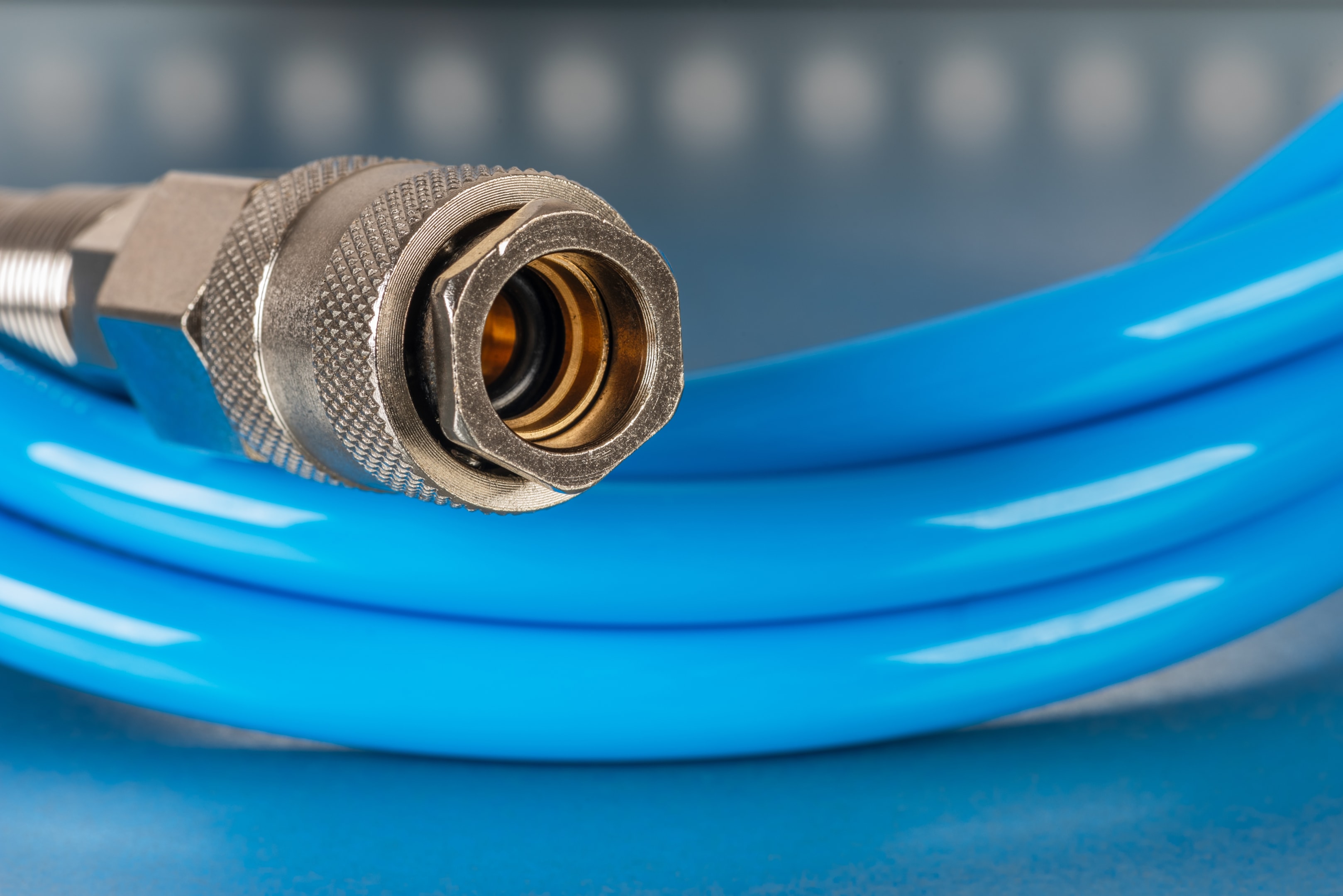
Common pneumatic coupling applications include automation systems, packaging equipment, light assembly machinery, and portable air tools. These systems excel in environments where cleanliness is critical, such as food processing facilities, pharmaceutical manufacturing, and electronic assembly operations.
Key characteristics of pneumatic couplings include:
- Operating pressures are typically between 6 and 16 bar
- Lightweight construction for easy handling
- Quick push-to-connect or twist-lock mechanisms
- Automatic shut-off valves to prevent air loss
- Materials designed for air and gas sealing
What Are Hydraulic Couplings?
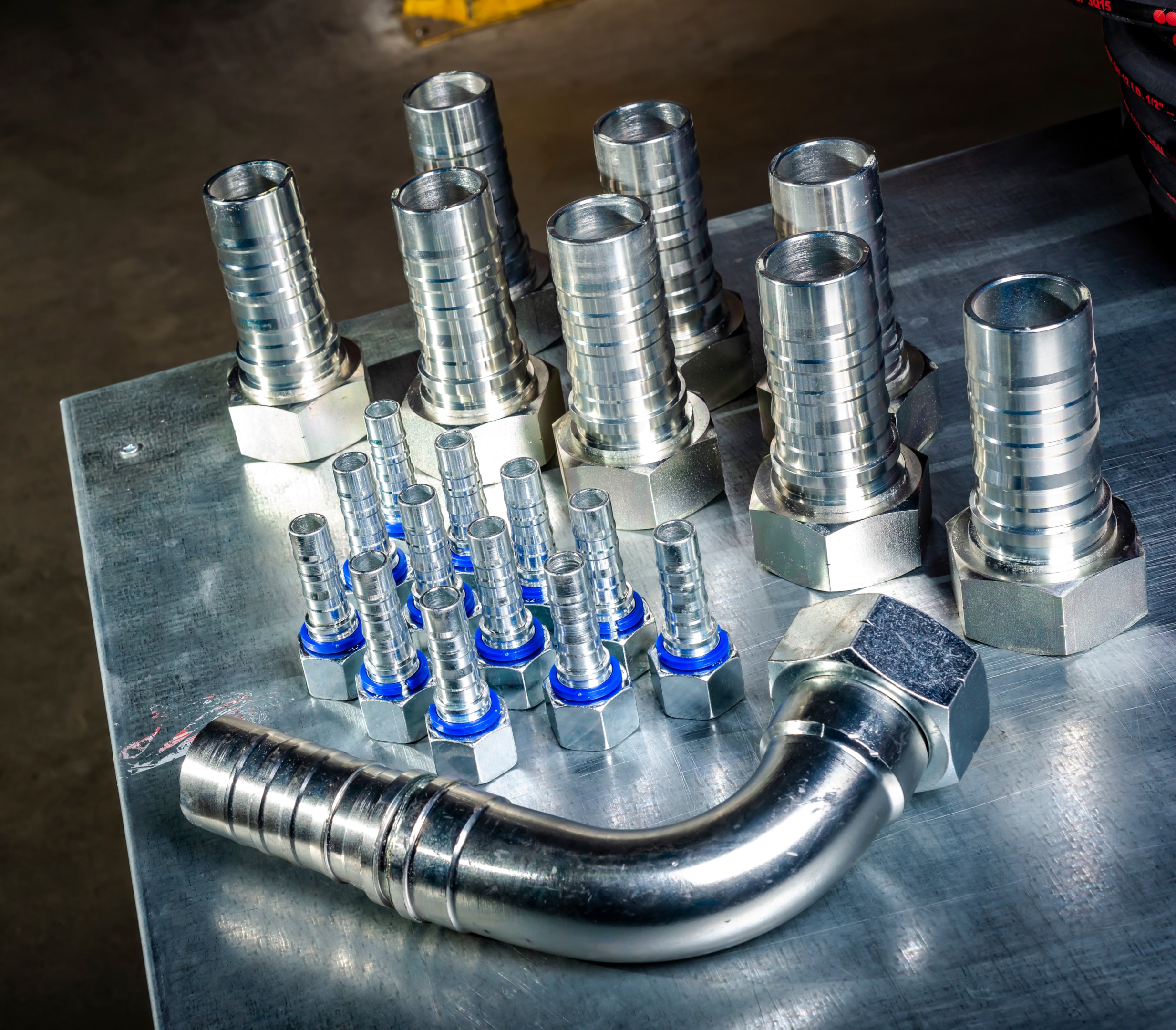
Hydraulic couplings are specialised connectors engineered for high-pressure fluid power systems that use incompressible liquids, typically oil, as the working medium. These couplings must withstand significantly higher pressures, often exceeding 350 bar, while maintaining leak-proof seals under extreme conditions.
Hydraulic systems operate on Pascal’s law, discovered by Blaise Pascal, which states that pressure applied to a confined liquid transmits undiminished in all directions. Because liquids are essentially incompressible, hydraulic systems can generate tremendous forces and maintain precise, stiff control over mechanical movements.
The pressurised fluid in hydraulic systems flows through circuits to power actuators, motors, and cylinders. When the system requires disconnection for maintenance or attachment changes, hydraulic couplings provide a secure, leak-free method for breaking and reestablishing these high-pressure connections.
Typical hydraulic coupling applications include construction machinery like excavators and backhoes, industrial lifts and presses, injection moulding equipment, and agricultural machinery. These systems are essential wherever high force output and precise control are required.
Key characteristics of hydraulic couplings include:
- Operating pressures often exceeding 200-350 bar
- Robust construction with high-strength materials
- Advanced sealing systems to prevent fluid leakage
- Flat-face or ball-valve designs for minimal spillage
- Materials compatible with hydraulic fluids and oils
Pneumatic vs. Hydraulic: Core Differences
The fundamental differences between pneumatic and hydraulic couplings arise from their distinct operating principles and applications. Understanding these differences is essential for selecting the right system.
Pressure Capacity: Hydraulic couplings are engineered to handle much higher pressures than pneumatic ones. While pneumatic systems typically operate between 6 and 16 bar, hydraulic systems commonly function at pressures ranging from 150 to over 350 bar. This significant pressure gap requires different coupling designs, materials, and standards.
Power Output: Hydraulic couplings deliver considerably greater force per unit size compared to pneumatic systems. Thanks to the incompressible nature of hydraulic fluids and the principles outlined by Pascal’s law, these couplings provide precise force multiplication, making them ideal for heavy-duty applications.
Speed and Responsiveness: Pneumatic couplings excel in applications demanding rapid cycling and quick response times. The compressibility of air allows for swift movements, although with less force than hydraulic couplings, which offer more controlled and powerful but generally slower operations.
Maintenance Requirements: Pneumatic couplings typically require less maintenance since compressed air is clean and leaks pose minimal contamination risks. Conversely, hydraulic couplings demand more careful upkeep due to potential fluid leaks that can present environmental hazards.
Cost Considerations: Pneumatic systems usually have lower initial costs but may incur higher operating expenses because of continuous air compression. Hydraulic systems involve higher upfront investments but can be more energy-efficient for sustained high-power needs.
For those looking for more detailed technical information, you can refer to the ISO 5175 standard, which provides guidelines for quick-release couplings used in compressed air systems. On this page, you will also find a comprehensive list of coupling types and features. When choosing the right coupling, always look for the sign of compliance with ISO standards to ensure safety and compatibility.
Advantages of Pneumatic Couplings
Pneumatic couplings offer several distinct advantages that make them ideal for specific applications and environments. These benefits stem from the inherent properties of compressed air systems and the engineering optimisations possible with gas-based power transmission.
Lightweight and Easy to Install: Pneumatic couplings are significantly lighter than hydraulic alternatives, making them easier to handle during installation and maintenance. The lower operating pressures allow for thinner-walled components and simpler connection mechanisms, reducing overall system weight.
Safe and Clean Operation: Compressed air is inherently safe and clean. If a pneumatic coupling leaks or fails, the escaping air doesn’t contaminate the work environment or create slip hazards like hydraulic fluid might. This makes pneumatic systems particularly suitable for food processing, pharmaceutical manufacturing, and clean room applications.
Lower Upfront Cost: The initial investment for pneumatic coupling systems is typically lower than hydraulic alternatives. The simpler pressure requirements and materials reduce manufacturing costs, making pneumatic solutions attractive for budget-conscious applications.
Ideal for Fast-Cycling Applications: The compressible nature of air allows pneumatic systems to respond quickly to control signals, making them perfect for automation, packaging equipment, and applications requiring rapid, repetitive movements. Quick-connect pneumatic couplings enable fast tool changes and equipment reconfiguration.
Advantages of Hydraulic Couplings
Hydraulic couplings provide unique advantages that make them indispensable for heavy-duty and precision applications. These benefits arise from the power density and control characteristics possible with incompressible fluid systems.
Higher Power and Force Capability. Hydraulic couplings can handle much higher forces per unit size compared to pneumatic alternatives. The incompressible nature of hydraulic fluid allows for precise force multiplication, enabling compact systems to generate enormous power output for heavy machinery and industrial equipment.
Suitable for Heavy-Duty Applications. The robust construction and high-pressure capability of hydraulic couplings make them ideal for demanding environments. Construction equipment, mining machinery, and industrial presses rely on hydraulic couplings to maintain reliable connections under extreme conditions.
Precise Control and Smooth Motion. Hydraulic systems provide exceptional control, precision and smooth motion characteristics. The incompressible fluid responds immediately to control inputs without the “springiness” inherent in pneumatic systems, making hydraulic couplings perfect for applications requiring exact positioning and steady force application.
Better Performance for Continuous, High-Load Operations. For applications requiring sustained high force output, hydraulic systems are more energy-efficient than pneumatic alternatives. The ability to maintain pressure without continuous energy input makes hydraulic couplings ideal for continuous heavy-duty operations.
Which Coupling Should You Choose?
Selecting between pneumatic and hydraulic couplings requires careful evaluation of application requirements, operating environment, and performance priorities. The decision impacts not only initial costs but also long-term operational efficiency and safety.
Application Type Considerations Light-duty, fast-cycling applications typically benefit from pneumatic couplings, while heavy-duty, high-force applications require hydraulic solutions. Consider the force requirements, speed needs, and duty cycle when making your selection.
Environment and Safety Factors: Clean environments and applications near food or pharmaceutical products often mandate pneumatic systems to avoid contamination risks. However, outdoor or harsh environments may favour hydraulic systems for their durability and weather resistance.
Required Pressure and Load Capacity: If your application requires pressures above 16 bar or substantial force output, hydraulic couplings are necessary. For lower pressures and lighter loads, pneumatic couplings provide adequate performance at a lower cost.
Speed vs. Power Priority: Applications prioritising rapid movement and quick response times should consider pneumatic couplings, while those requiring maximum power and precise control benefit from hydraulic solutions. This trade-off is fundamental to system selection.
The choice also involves considering the total cost of ownership, including energy consumption, maintenance requirements, and potential downtime costs. Pneumatic systems generally have lower maintenance needs but higher operating energy costs, while hydraulic systems require more careful maintenance but can be more energy-efficient for high-power applications.
Common Industries Using Each Type
Different industries have gravitated toward pneumatic or hydraulic couplings based on their specific operational requirements, safety considerations, and performance needs.
Pneumatic Coupling Industries: Pneumatic couplings are widely used in manufacturing and automation for assembly lines, robotics, and material handling. Their speed and cleanliness make them ideal for electronics manufacturing, where contamination must be avoided. They are also common in food processing and pharmaceuticals, as compressed air won’t contaminate products if leaks occur. Packaging, bottling, and automated sorting systems often use pneumatic quick-connects for easy tool changes.
Automotive service centres and workshops rely on pneumatic couplings for portable tools like impact wrenches and spray guns. Their lightweight design and easy connection make them practical for mobile applications requiring quick, reliable compressed air connections.
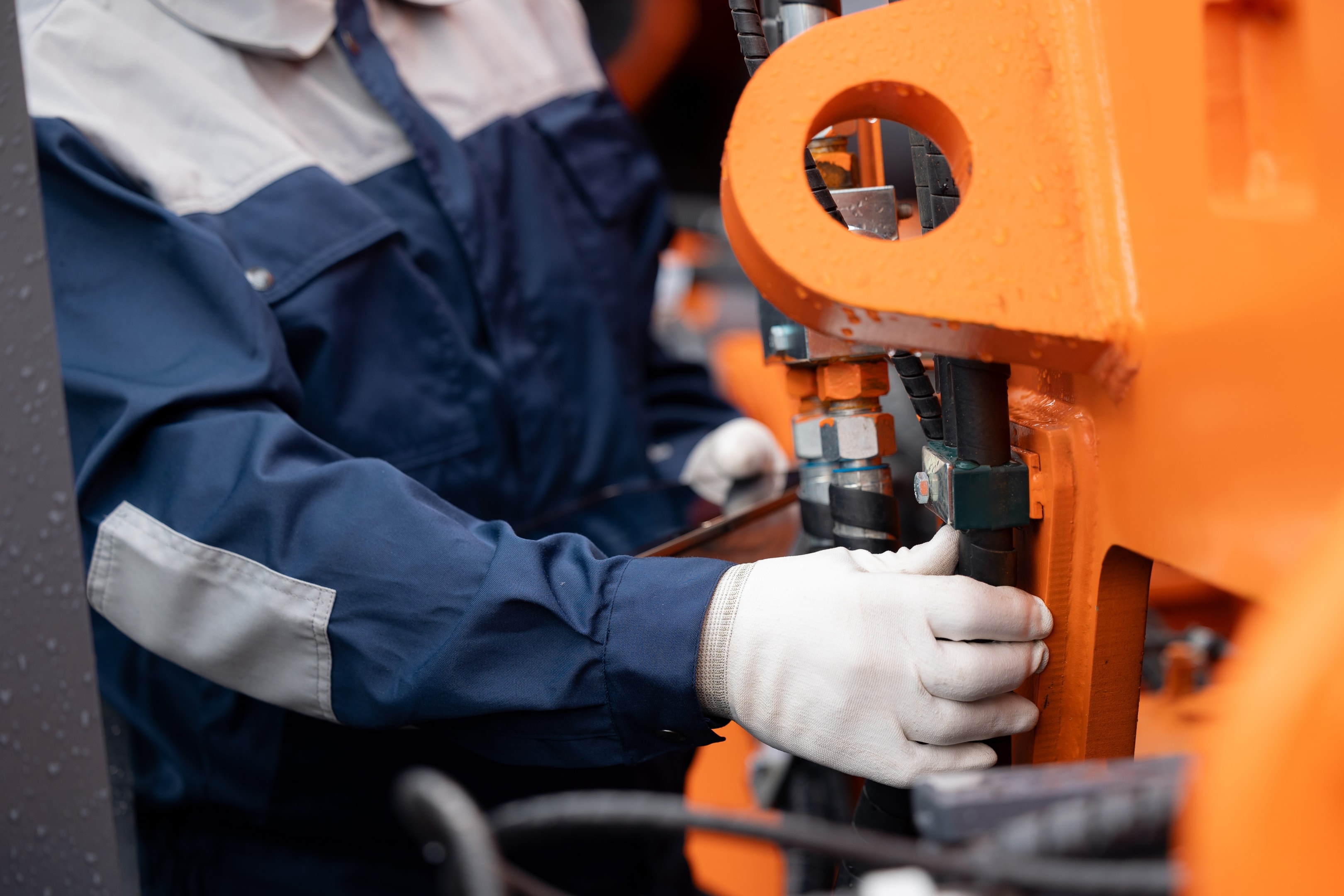
Hydraulic Coupling Industries: Hydraulic couplings are essential in construction and mining, powering heavy machinery like excavators and bulldozers. Their high force capacity and durability make them suited for tough earth-moving tasks. Agriculture also depends on hydraulic couplings for tractors and implements, enabling quick attachment changes while maintaining power.
Material handling and industrial lifting equipment, such as forklifts, cranes, and presses, use hydraulic couplings for precise control and strong force output. These couplings ensure reliable, leak-free connections in demanding heavy-duty operations.
Summary
The choice between pneumatic and hydraulic couplings fundamentally depends on matching system characteristics to application requirements. Pneumatic couplings excel in speed, cleanliness, and cost-effectiveness for lighter-duty applications, while hydraulic couplings provide superior power, precision, and durability for heavy-duty operations. Key selection factors include operating pressure requirements, force output needs, speed and responsiveness priorities, environmental constraints, and total cost of ownership. Neither system is universally superior; each serves specific niches where its characteristics align with operational demands.
Safety considerations are paramount in either choice. Pneumatic systems offer inherent safety through clean, non-contaminating air, while hydraulic systems require careful attention to prevent high-pressure fluid injection injuries and environmental contamination. Both require proper training and maintenance procedures. Consulting with fluid power specialists ensures compatibility with your specific requirements and helps optimise system performance. The right choice of pneumatic hydraulic couplings can significantly impact operational efficiency, safety, and long-term costs. Understanding these fundamental differences enables informed decision-making that maximises system performance while maintaining safe operation across diverse industrial applications. Whether you choose pneumatic or hydraulic couplings, proper selection and implementation are crucial for achieving optimal results.
Frequently Asked Questions
What makes pneumatic hydraulic couplings suitable for fast tool changes?
Pneumatic hydraulic couplings are designed with quick-connect mechanisms that allow for rapid and secure tool changes, minimising downtime and improving operational efficiency.
How do pneumatic hydraulic couplings ensure safety during operation?
These couplings incorporate features such as automatic shut-off valves and secure locking systems to prevent accidental disconnection and reduce the risk of leaks or pressure loss.
In what industries are pneumatic hydraulic couplings most commonly used?
Pneumatic hydraulic couplings are widely used in industries like manufacturing, automotive service, food processing, and construction, where reliable, fast, and safe connections are essential.
What maintenance is required for compressed air pneumatic hydraulic couplings?
Maintenance typically includes regular inspection for leaks, ensuring a clean and dry compressed air supply, and checking seals and connection points to maintain safe and efficient operation.
Are there specific compressed air accessories designed for pneumatic hydraulic couplings?
Yes, there is a range of accessories such as adaptors, quick-connect fittings, and safety valves specifically designed to optimise the connection, disconnection, and overall functionality of compressed air pneumatic hydraulic couplings.