Hydraulic valves are vital for controlling fluid flow, pressure, and direction in hydraulic systems across industries such as manufacturing and construction. At MCH Hydraulics, we know that understanding valve function and recognising signs of failure is essential to avoid costly downtime and keep your hydraulic equipment running efficiently.
Key Takeaways
- Hydraulic valves regulate fluid flow, system pressure, and direction, ensuring smooth system performance.
- Common valve types include directional control valves, flow control valves, check valves, and spool valves.
- Early signs like unusual noises, leaking fluid, and performance loss can indicate valve issues.
- Proper troubleshooting and selecting the right replacement valve help maintain the entire hydraulic system’s efficiency.
- Consulting a qualified technician ensures compatibility with other system components.
Types of Valves in Hydraulic Systems
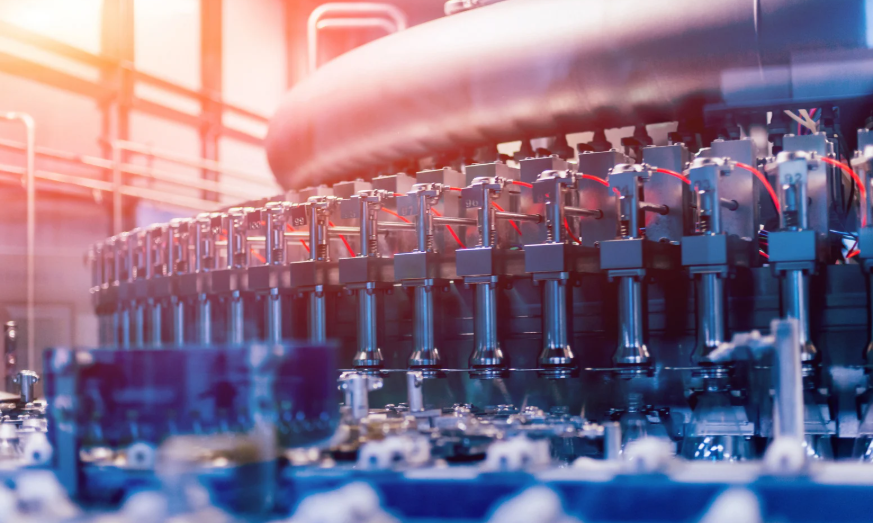
Hydraulic valves come in several types, each serving a specific role in controlling fluid flow and maintaining system pressure.
Directional control valves manage the path hydraulic fluid takes through the system, ensuring it moves in the required direction for the application. Flow control valves regulate the rate of flow, helping maintain consistent speed and force in hydraulic cylinders. Check valves allow hydraulic fluid to travel in one direction only, preventing backflow that could cause serious issues or inefficiencies.
Spool valves, a subset of directional valves, are widely used in hydraulic pumps, motors, and other hydraulic equipment. A hydraulic control valve controls movement by sliding internal components that open and close flow paths, making them a crucial part of many hydraulic systems. At MCH Hydraulics, we supply a full range of these valves to suit a wide variety of applications and industries.
Identifying Faulty Valves
Detecting valve issues early can save money and prevent major problems. Common early signs of valve failure include unusual sounds, leaking fluid, increased energy consumption and decreased system performance. Regular checks of fluid levels are important, as well as visual inspections of the valve body and valve housing, which can reveal cracks, wear, or other damage.
Another effective way to spot valve issues is by monitoring system pressure. If pressure levels fall outside the recommended range, it could indicate a faulty valve or related problem within the hydraulic system. By acting quickly, operators can avoid premature failure and protect other system components from further damage. MCH Hydraulics can help diagnose these issues and provide the right solution for repair or replacement.
Troubleshooting Common Issues
Before deciding whether to repair or replace a valve, proper troubleshooting can help identify the root cause of the issue. Contamination, wear and tear, excessive heat, lack of clean hydraulic fluid or physical damage are common culprits that interfere with the valve’s internal components, cause external leaks and restrict fluid flow.
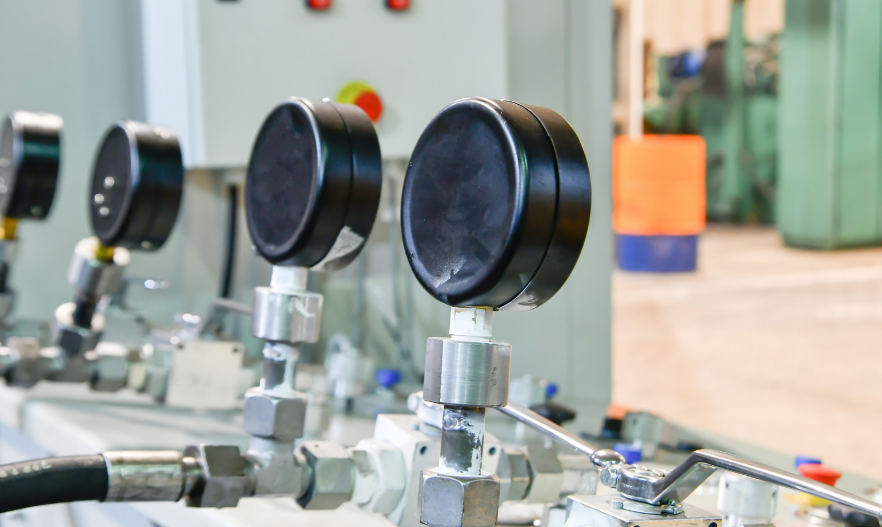
Specialised tools such as a pressure gauge can be extremely helpful for diagnosing issues within the hydraulic system. By measuring hydraulic pressure, operators can confirm whether performance is within specifications or if valve damage is causing inefficiencies. Identifying the precise cause of valve failure makes it easier to determine the best course of action, whether that’s repair or full replacement. At MCH Hydraulics, our team offers expert hydraulic testing, diagnostics and repairs to keep your system performing at its best. Regular servicing is often the most cost effective solution.
Valve Replacement Considerations
When it comes to replacing a hydraulic valve, it’s critical to evaluate several key factors. Flow rate, system pressure, and compatibility with other system components all play a role in ensuring that the new valve supports optimal performance. Installing the wrong type of valve can lead to restricted flow, excessive pressure, or poor efficiency, so specifications must be carefully matched to the hydraulic equipment.
Because selecting the right replacement valve is so important, consulting with a qualified technician or engineer is strongly recommended. At MCH Hydraulics, we help customers choose and install the correct replacement valve, ensuring it provides long service life, better control, and efficiency across the entire hydraulic system.
Conclusion
Hydraulic valves are the backbone of any hydraulic system, playing a critical role in controlling fluid flow and maintaining consistent system performance across various industries. From directional control valves to flow control valves and spool valves, each type of valve contributes to the proper functioning of hydraulic equipment.
Recognising the early signs of valve failure; such as leaking fluid, unusual noises, or declining efficiencyhelps prevent major problems and ensures that repairs or replacements are carried out before costly downtime occurs.
By committing to regular inspections, monitoring system pressure, and replacing valves when necessary, operators can extend the service life of hydraulic components, improve efficiency, and safeguard the performance of the entire hydraulic system.
For expert advice, troubleshooting, and a wide selection of hydraulic components, MCH Hydraulics is here to help.
Frequently Asked Questions
How can you tell if a hydraulic valve is bad?
Common signs of a faulty valve include leaking fluid, unusual noises, decreased performance, and inconsistent hydraulic pressure. Regular inspections of the valve body and monitoring system pressure can confirm the issue.
Can hydraulic valves be repaired?
Yes, hydraulic valves can often be repaired if the damage is minor, such as worn seals or small internal issues. However, extensive damage or repeated failures usually require replacement.
Why do hydraulic valves fail?
Hydraulic valves commonly fail due to fluid contamination, wear and tear, excessive pressure, or lack of proper maintenance. Over time, these factors damage internal components, leading to restricted flow or valve failure.