Internal leaks in hydraulic cylinders represent one of the most challenging diagnostic problems in hydraulic maintenance. Unlike external leaks that leave visible oil stains and obvious evidence, internal leakage occurs when hydraulic fluid bypasses worn piston seals or damaged internal seals, allowing fluid to flow from the high-pressure chamber to the low-pressure side without escaping the cylinder barrel. This hidden problem can dramatically reduce lifting capacity, cause cylinder drift, and lead to costly failures if left undetected.
The consequences of undiagnosed internal cylinder leaks extend far beyond immediate performance issues. When hydraulic fluid bypasses internal seals, the hydraulic pump works harder to maintain pressure, causing system overheating and increased energy consumption. Equipment operators may notice decreased lifting capacity, slow operation, or inability to hold loads in position, but without proper testing procedures, the root cause often remains elusive until complete seal replacement becomes necessary.
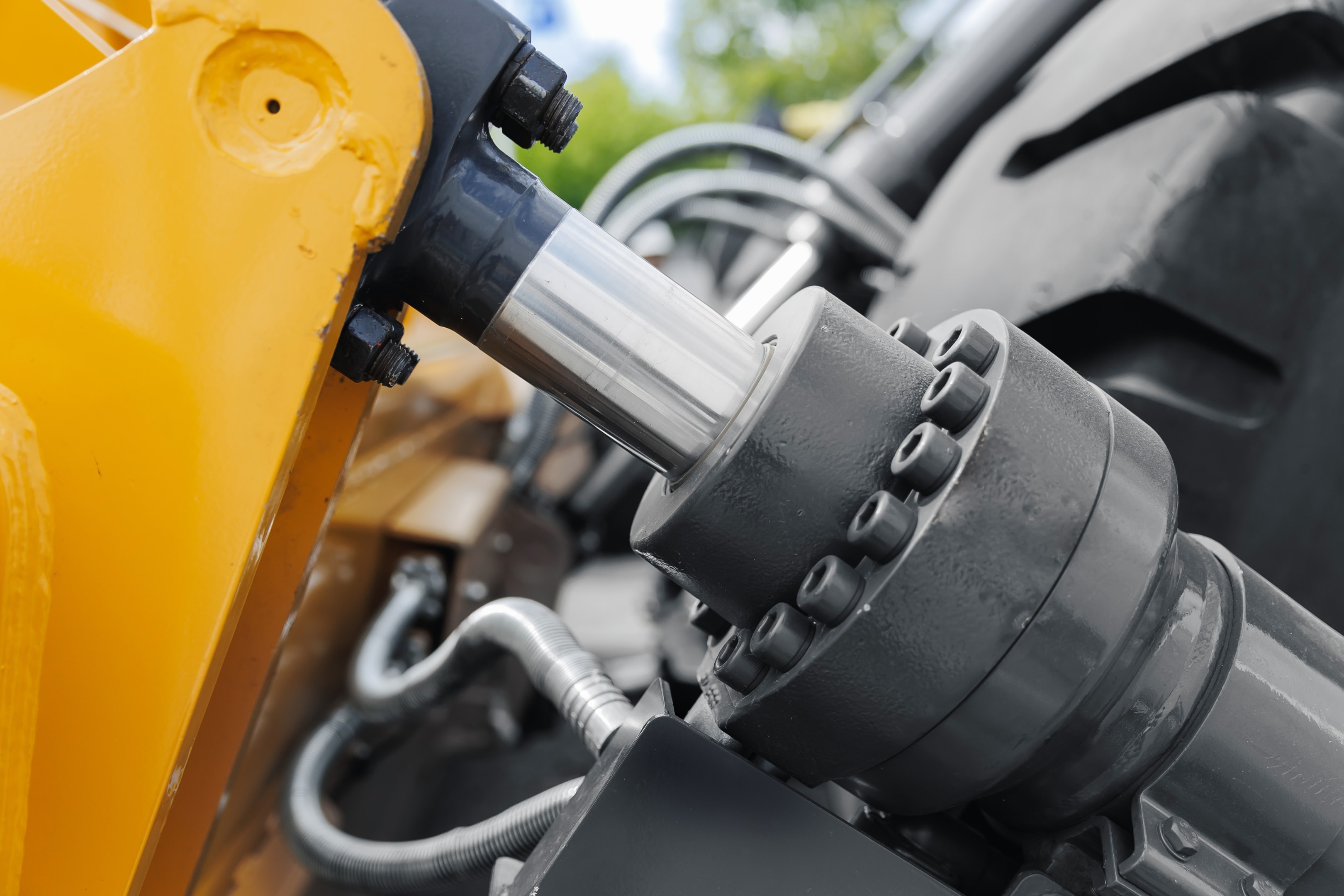
Understanding how to check if a hydraulic cylinder is leaking internally requires systematic testing approaches that isolate the cylinder from other hydraulic system components. Modern diagnostic methods combine traditional pressure testing with advanced flow measurement techniques and ultrasonic detection to provide accurate diagnosis before costly repairs become necessary. This comprehensive guide covers proven testing procedures used by maintenance professionals to identify, quantify, and address internal leaks before they compromise equipment safety or productivity.
Quick Testing Methods for Internal Hydraulic Cylinder Leaks
Several rapid diagnostic techniques allow maintenance technicians to quickly assess whether a hydraulic cylinder is leaking internally before conducting more comprehensive testing procedures. These quick methods serve as initial screening tools to determine if detailed leak testing is warranted.
Drift Test Method: Apply working load to the fully extended cylinder and position the directional control valve in the neutral position. Mark the rod’s initial position and monitor for movement over 10-15 minutes. Any rod movement exceeding 1/8 inch during this period indicates significant internal leakage past the piston seal or through damaged cylinder barrel surfaces.
Bypass Flow Testing: Connect a flow meter between cylinder chambers while applying rated pressure to one side. Measure fluid leakage rates between chambers and compare readings to manufacturer specifications for acceptable leakage rates. Most industrial cylinders should demonstrate near-zero bypass flow when piston seals function properly.
Pressure Decay Analysis: Cap cylinder ports after pressurising one chamber to working pressure and monitor pressure drop over 30 minutes. Calculate pressure drop percentage – readings exceeding 5% indicate internal seal failure requiring immediate attention. This method effectively isolates the cylinder from directional control valve leakage.
Bench Testing Protocol: Remove the cylinder from the equipment and test using 125% working pressure in a controlled environment. This approach eliminates variables from other hydraulic system components and provides the most accurate diagnosis of internal cylinder leaks through precise flow measurement and pressure monitoring.
Combined Testing Approach: Use multiple testing methods to cross-verify results and determine leak severity. Start with drift testing for quick assessment, followed by pressure decay measurement for quantification, and conclude with flow meter testing for precise leakage rate determination.
Warning Signs of Internal Hydraulic Cylinder Leaks
Recognising early warning signs of internal hydraulic cylinder leaks enables proactive maintenance before complete seal failure occurs. These observable symptoms indicate the need for formal leak testing to confirm internal leakage and determine repair requirements.
Cylinder Drift Under Load: The most common indicator occurs when the cylinder slowly loses position over 5-10 minutes while the control valve remains in neutral position. Rod creep or extension drift suggests hydraulic fluid is bypassing the piston seal, allowing pressure equalisation between chambers. This symptom becomes more pronounced under heavy loads when pressure differentials across the piston increase.
Reduced Lifting Performance: Equipment demonstrates an inability to maintain lifting capacity or hold loads at specified positions despite proper hydraulic pump operation. The cylinder may reach full extension, but cannot sustain the rated force, indicating internal leakage is reducing effective pressure across the piston. Operators often compensate by applying additional control input, masking the underlying problem.
Erratic Movement Patterns: Slow or jerky cylinder movements during normal operation suggest inconsistent pressure delivery due to internal bypass. The cylinder may hesitate during initial movement, accelerate unpredictably, or demonstrate uneven movement throughout its stroke range. These symptoms often worsen as internal wear progresses.
Unusual Operating Noises: Internal leakage generates distinctive hissing, whistling, or gurgling noises during cylinder operation as high-pressure fluid passes through worn seal clearances. These unusual sounds typically intensify under load and may be audible near the cylinder barrel where the piston seal contacts the bore surface.
System Overheating: Hydraulic systems demonstrate elevated operating temperatures when internal leaks force the hydraulic pump to work harder, maintaining pressure. Internal leakage converts mechanical energy to heat as fluid throttles through seal clearances, raising overall system temperature above normal operating ranges.
Performance Degradation: Overall hydraulic system efficiency decreases without visible external leaks, indicating internal fluid bypass is reducing available hydraulic power. Equipment cycle times increase, and productivity declines as more pump flow is required to achieve the same work output.
Step-by-Step Internal Leak Testing Procedures
Professional diagnosis of internal hydraulic cylinder leaks requires systematic testing procedures that provide quantitative measurements for comparison against manufacturer specifications. These detailed protocols ensure accurate results while maintaining safety standards during testing operations.
Drift Test Procedure
The drift test provides a rapid assessment of internal leakage severity using equipment load and position monitoring over a specified time period.
Preparation Phase: Position the hydraulic cylinder at full extension with the working load applied and verify all external connections are secure. Clean hydraulic fluid should be at operating temperature, and pressure gauge readings should be within normal ranges before beginning the test.
Initial Positioning: Apply working load to the fully extended cylinder using the equipment’s normal lifting mechanism. Set the directional control valve to the neutral position and engage any load-holding features. Mark the initial rod position using chalk or a permanent marker for precise measurement reference.
Monitoring Period: Observe the cylinder for 10-15 minutes while maintaining neutral position on all controls. Record any rod movement using measuring tools and note the time intervals for movement calculation. Document environmental conditions, including temperature and any external factors affecting the test.
Results Analysis: Measure total rod movement during the observation period. Movement exceeding 1/8 inch indicates significant internal leakage requiring immediate attention. Calculate drift rate in inches per minute to determine leak severity and compare against manufacturer specifications for acceptable performance.
Documentation Requirements: Record all measurements, environmental conditions, and observations for maintenance records. Include pressure readings, temperature data, and any unusual noises observed during testing to support diagnostic conclusions and repair planning.
Pressure Decay Test Method
Pressure decay testing provides a quantitative measurement of internal leakage rates by isolating cylinder chambers and monitoring pressure loss over time.
System Preparation: Install calibrated pressure gauges on both cylinder ports with the hydraulic system depressurised. Verify gauge accuracy and ensure all connections are properly torqued to prevent external leakage during testing. Use appropriate safety equipment when working with pressurised systems.
Pressurisation Process: Cap one cylinder port securely and pressurise the other chamber to maximum working pressure using the hydraulic pump. Monitor pressure buildup to ensure even pressure application and verify proper gauge operation throughout the pressurisation sequence.
Isolation and Monitoring: Once target pressure is achieved, isolate the pressurised chamber by shutting off the hydraulic supply and monitoring pressure readings over a 30-minute period. Record pressure measurements at regular intervals to track decay patterns and identify rapid pressure loss, indicating severe internal leakage.
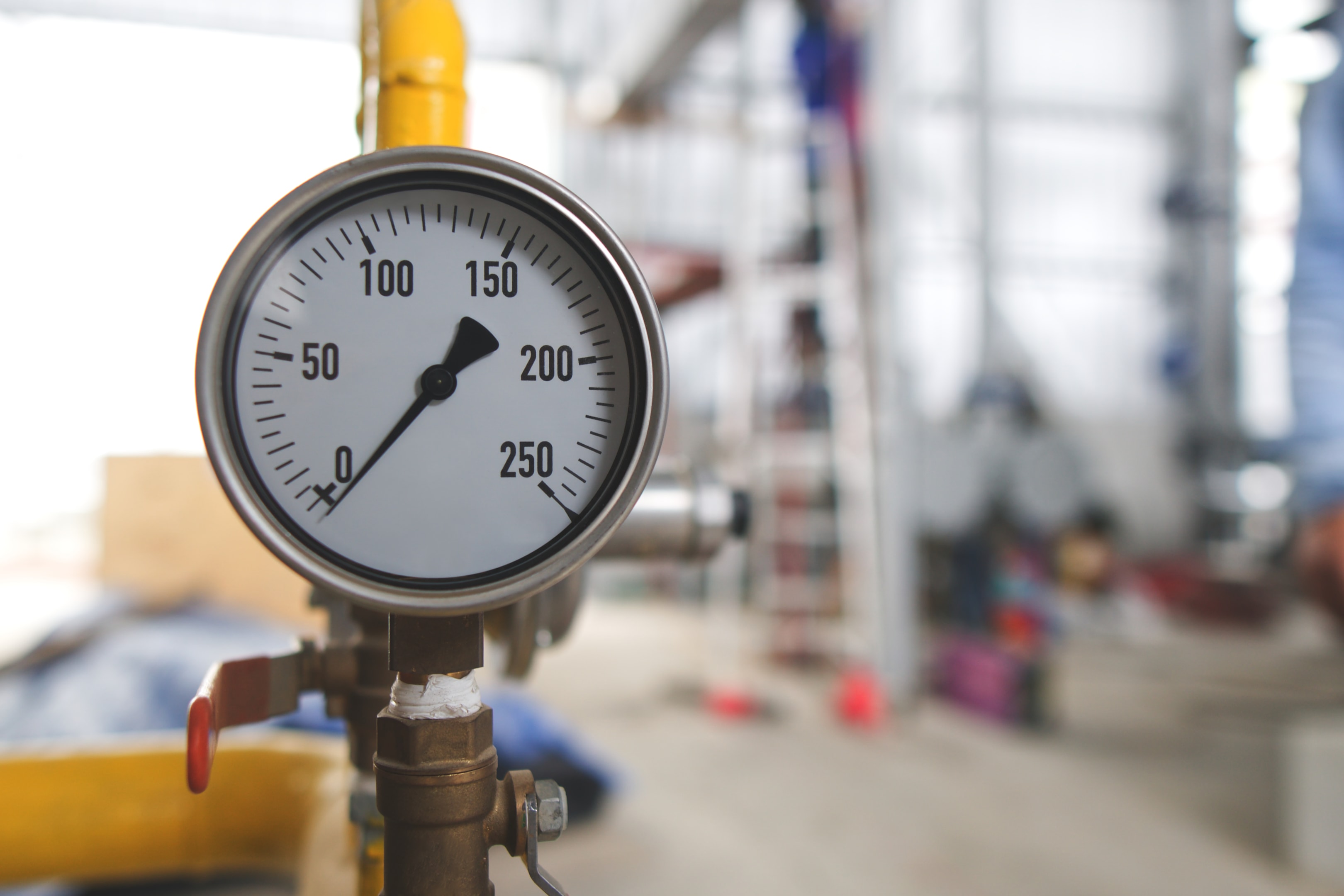
Calculation and Analysis: Calculate the pressure drop percentage using the initial and final pressure readings. Pressure drops exceeding 5% indicate internal seal failure requiring repair or seal replacement. Compare results against manufacturer specifications to determine if leakage rates fall within acceptable tolerances.
Reverse Testing: Repeat the test on the opposite chamber to isolate specific seal locations and determine which seals require replacement. This comprehensive approach identifies whether leakage occurs on the rod end port, cap end, or both locations within the cylinder.
Flow Meter Bypass Testing
Flow meter testing provides the most accurate quantification of internal leakage rates by directly measuring fluid bypass between cylinder chambers.
Equipment Setup: Connect a calibrated flow meter between cylinder chambers using appropriate hydraulic fittings and hoses. Ensure the flow meter range matches expected leakage rates and verify calibration certificates for accurate measurement. Position the cylinder to eliminate external factors affecting flow measurement.
Pressure Application: Apply rated pressure to one cylinder chamber while monitoring flow through the meter to the opposite chamber. Maintain steady pressure throughout the test period and record flow rates in gallons per minute or litres per minute, depending on system specifications.
Data Collection: Measure bypass flow rates at different pressure levels to create a comprehensive leakage profile. Record flow measurements at 25%, 50%, 75%, and 100% of working pressure to understand how leakage rates change with system pressure variations.
Specification Comparison: Compare measured flow rates to manufacturer specifications for acceptable leakage rates. Most industrial hydraulic cylinders should demonstrate less than 1 gallon per minute of internal bypass at rated pressure when seals function properly.
Comprehensive Analysis: Document all flow measurements, pressure levels, and environmental conditions for maintenance records. Use this data to determine repair urgency and schedule appropriate maintenance interventions before complete seal failure occurs.
Common Causes of Internal Hydraulic Cylinder Leaks
Understanding the root causes of internal hydraulic cylinder leaks helps maintenance professionals implement targeted prevention strategies and avoid recurring failures. These common failure mechanisms affect piston seals, cylinder barrel surfaces, and internal components.
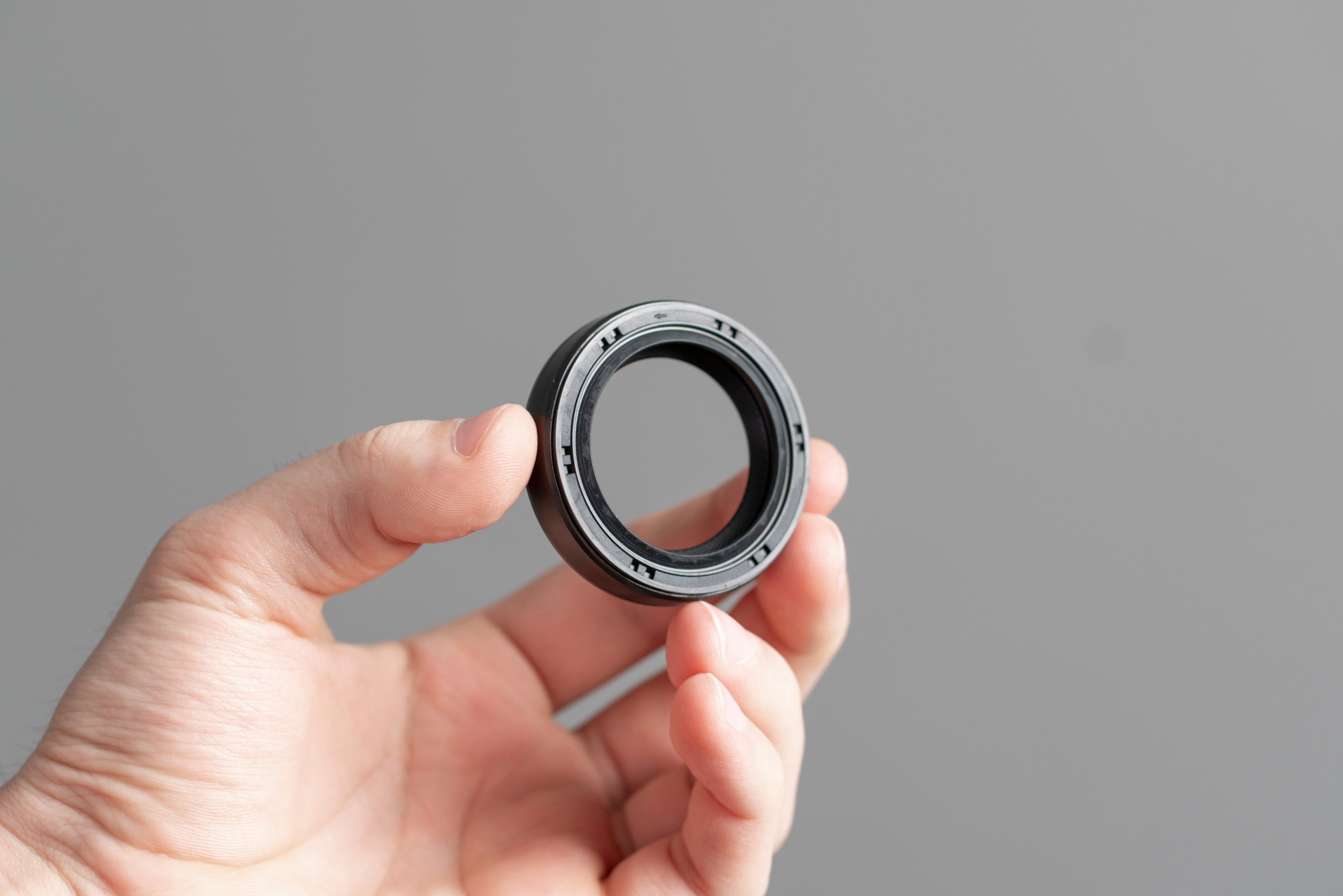
Worn Piston Seal Degradation: Progressive wear of piston seals represents the most frequent cause of internal cylinder leaks. Continuous pressure cycling, temperature variations, and normal service life gradually reduce seal effectiveness, allowing hydraulic fluid to bypass between the rod and cap end chambers. Seal materials harden over time, losing the flexibility needed for proper bore contact.
Cylinder Bore Surface Damage: Scratches, scoring, or corrosion on the cylinder barrel’s internal surface compromise seal contact and create leakage paths. Contaminated hydraulic fluid containing abrasive particles accelerates bore wear, while improper installation techniques can score surfaces during assembly. Side loading from misaligned equipment creates uneven wear patterns.
Hydraulic Fluid Contamination: Contaminated hydraulic fluid causes accelerated seal wear and degradation through abrasive action and chemical attack. Particle contamination scratches seal surfaces and creates irregular wear patterns, while water contamination affects seal material properties. Incorrect fluid specifications can cause seal swelling or hardening.
Pressure Spike Damage: Operating pressure spikes exceeding seal design limits can cause immediate seal extrusion or damage to backing rings. Relief valve malfunctions, thermal expansion, or shock loading create pressure transients that exceed cylinder design parameters. These events often cause sudden seal failure and rapid internal leakage development.
Installation and Maintenance Errors: Improper installation of replacement seals during maintenance can result in immediate internal leakage. Incorrect seal orientation, damaged seals during installation, or wrong seal specifications lead to poor sealing performance. Using incompatible seal materials for specific hydraulic fluid types accelerates failure.
Age-Related Material Degradation: Hydraulic seals experience natural ageing processes that reduce sealing effectiveness after 3-5 years of service life. Temperature cycling, ozone exposure, and chemical compatibility issues cause seal hardening, cracking, and loss of elasticity. Regular seal replacement prevents age-related failures and maintains system reliability.
When to Test for Internal Leaks
Establishing proper timing for internal leak testing ensures problems are detected before they cause equipment failure or safety concerns. Strategic testing schedules balance maintenance costs with reliability requirements while preventing unplanned downtime.
Routine Maintenance Intervals: Schedule comprehensive internal leak testing during routine maintenance intervals every 6 months or according to manufacturer recommendations. Regular testing establishes baseline performance data and tracks gradual seal wear progression before critical failure occurs. Coordinate testing with other scheduled maintenance activities to minimise equipment downtime.
Performance-Based Testing Triggers: Conduct immediate testing when operators report symptoms suggesting internal leakage, including slow or unresponsive cylinder movement, reduced lifting capacity, or inability to hold loads. These operational indicators often provide early warning of developing internal leaks before complete seal failure occurs.
Post-Contamination Testing: Perform thorough internal leak testing following hydraulic system contamination events or major hydraulic fluid changes. Contamination episodes can accelerate seal wear and create immediate leakage problems requiring prompt identification. Test all cylinders in affected systems to identify contamination-related damage.
Load-Holding Failures: Test immediately when cylinders fail to hold loads for the specified time periods or demonstrate excessive drift under working conditions. Safety-critical applications require immediate testing when load-holding capability is compromised, as internal leaks can lead to sudden load drops and equipment damage.
Temperature-Related Testing: Include internal leak testing in troubleshooting procedures when hydraulic systems experience overheating incidents above 180°F operating temperatures. Elevated temperatures often indicate internal leakage is forcing pumps to work harder, creating heat generation throughout the hydraulic system.
Systematic Troubleshooting: Incorporate internal leak testing in diagnostic procedures when external leaks have been eliminated as potential causes of performance problems. This systematic approach ensures all potential leak sources are identified before undertaking expensive repair work or component replacement.
Preventive Measures to Avoid Internal Leaks
Implementing comprehensive preventive maintenance strategies significantly reduces the frequency and severity of internal hydraulic cylinder leaks while extending overall service life. These proactive measures address root causes and maintain optimal operating conditions.
Hydraulic Fluid Cleanliness Standards: Maintain hydraulic fluid filtration at 10 microns or better cleanliness standards to prevent abrasive particle contamination that accelerates seal wear. Install high-quality filtration systems with appropriate micron ratings for the application and monitor filter condition regularly. Clean hydraulic fluid extends seal life and reduces internal wear.
Scheduled Fluid Replacement: Replace hydraulic fluid every 2,000-4,000 operating hours according to manufacturer guidelines and operating conditions. Fresh fluid maintains proper viscosity characteristics and reduces chemical attack on seal materials. Analyse used fluid samples to optimise replacement intervals based on actual contamination levels and fluid degradation.
Pressure Control Systems: Monitor hydraulic system pressure continuously to prevent spikes exceeding cylinder design limits that can damage seals instantly. Install properly sized relief valves and pressure control systems to limit maximum pressure during operation. Regular pressure system maintenance prevents pressure-related seal failures.
Wiper Seal Maintenance: Inspect and replace wiper seals when damaged to prevent contamination entry that accelerates internal seal wear. Damaged wiper seals allow dirt, moisture, and debris to enter the cylinder, creating abrasive conditions that rapidly degrade piston seals. Maintain clean rod surfaces and proper wiper seal function.
Proactive Seal Replacement: Schedule internal seal replacement every 3-5 years based on operating conditions and manufacturer recommendations rather than waiting for seal failure. Preventive seal replacement costs significantly less than emergency repairs and prevents secondary damage from internal leakage. Track seal service life for optimal replacement timing.
Operator Training Programs: Train equipment operators to recognise early warning signs of internal leakage and report symptoms promptly. Educated operators can identify performance changes before critical failures occur, enabling proactive maintenance interventions. Proper operating techniques reduce stress on hydraulic components and extend service life.
Summary
Detecting internal leaks in a hydraulic cylinder involves systematic testing to differentiate between internal seal bypass and external leaks. Internal leakage occurs when hydraulic fluid passes through worn or damaged piston seals, allowing fluid to flow between high-pressure and low-pressure chambers without visible external signs. This hidden issue leads to reduced lifting capacity, cylinder drift, increased energy consumption, and forces the hydraulic pump to work harder to maintain system pressure. Quick assessment methods include drift testing, which monitors rod movement under load, bypass flow testing with flow meters to measure leakage rates, and pressure decay testing that tracks pressure loss over time. Bench testing at elevated pressure offers the most precise diagnosis by isolating the cylinder from other system variables.
Common indicators of internal leaks are cylinder drift, diminished lifting performance, jerky or slow movements, unusual noises like hissing, system overheating, and decreased hydraulic power without external fluid loss. These symptoms often develop gradually due to seal wear, necessitating thorough testing to confirm leaks and plan repairs. Causes include normal seal wear, cylinder bore damage, fluid contamination, pressure spikes, installation errors, and ageing seals. Regular testing intervals, immediate checks upon performance issues, and preventive measures such as maintaining fluid cleanliness, scheduled fluid changes, pressure controls, wiper seal care, and proactive seal replacement help reduce internal leak occurrences. Combining multiple testing methods, adhering to safety protocols, and diligent maintenance extends cylinder service life and ensures optimal hydraulic system performance.
Frequently Asked Questions
How can damaged seals cause internal leaks in hydraulic cylinders?
Damage seals are a common cause of internal leaks in hydraulic cylinders. When seals become worn, cracked, or improperly installed, they allow hydraulic fluid to bypass the piston, resulting in fluid flow between chambers without visible external leakage. This reduces the cylinder’s ability to maintain pressure, leading to cylinder drift, decreased lifting capacity, and reduced performance.
What are the signs of excessive wear that indicate a hydraulic cylinder might be leaking internally?
Excessive wear on piston seals or the cylinder bore surface can create pathways for internal leaks. Visible signs include scoring, scratches, or corrosion on the rod surface and cylinder barrel. Additionally, symptoms such as jerky movements, slow or erratic cylinder operation, and unusual noises like hissing or knocking often accompany excessive wear, leading to internal leakage.
How do you detect internal leaks in a hydraulic cylinder effectively?
Detecting internal leaks involves systematic testing methods such as the drift test, pressure decay analysis, and flow meter bypass testing. These tests measure rod movement under load, pressure loss over time, and fluid bypass rates between cylinder chambers, respectively. Combining these approaches provides an accurate diagnosis before costly repairs are needed.
Can internal leaks cause damage to seals and further deteriorate them?
Yes, internal leaks increase the workload on the hydraulic pump and cause uneven stress on seals and internal components. This accelerates seal degradation and can lead to further damage to seals, compounding the leakage problem and potentially causing costly failures if not addressed promptly.
What preventive measures help avoid excessive wear and internal leaks in hydraulic cylinders?
Regular maintenance practices, such as maintaining clean hydraulic fluid, scheduled fluid replacement, pressure control, and timely wiper seal inspection, help prevent excessive wear. Proactive seal replacement and operator training to recognise early signs of leaks also reduce the risk of internal damage and ensure peak performance of hydraulic equipment.